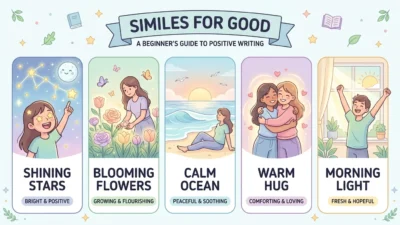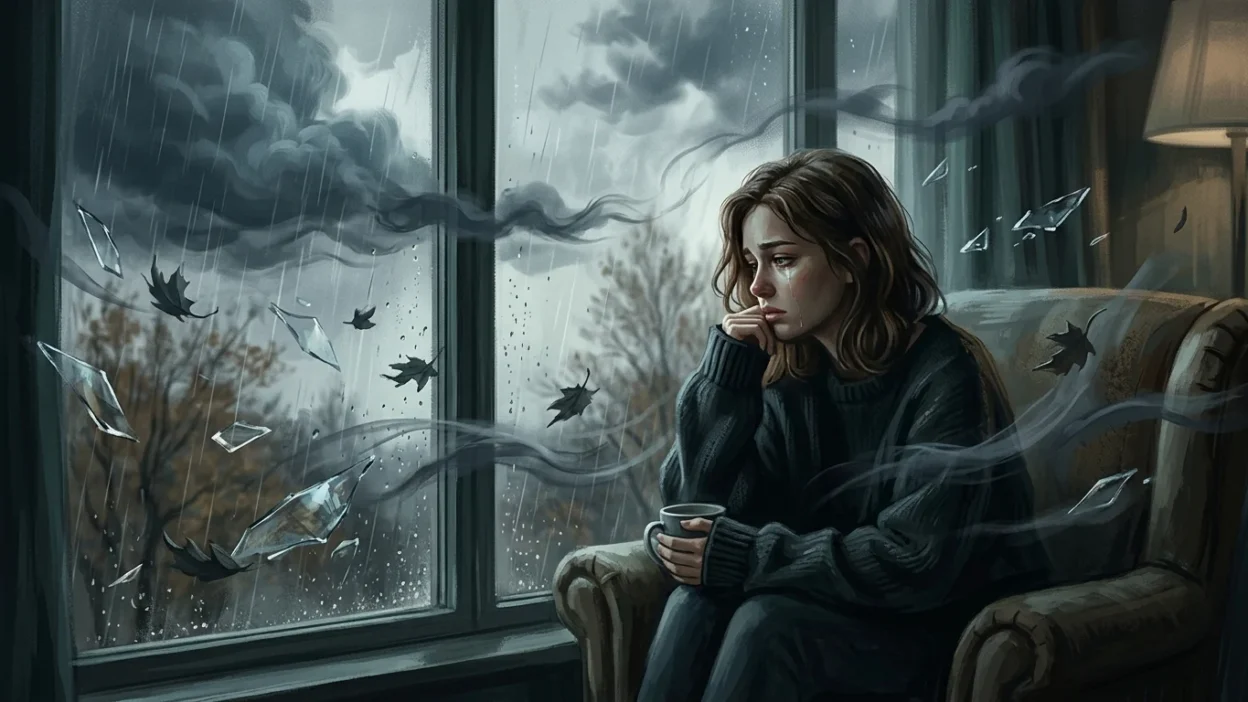
In exploring similes for crying, we learn how writers use similes to help express strong emotions vividly, making emotional writing easier to feel and understand. When people face sadness, one natural response is crying, and writers often improve their storytelling by comparing real experiences and even everyday objects. I once noticed in my own reading that a simple line can better describe the intensity of a feeling, especially when someone is shedding tears, and it instantly feels real. For example, saying a girl cried like a waterfall creates a powerful image of a heavy stream of emotion. Another strong image shows someone crying like a lost puppy, which clearly conveys a deep sense of loneliness that readers can easily feel. In this article, we explore different ways similes make emotional scenes more real and relatable. Over time, I began to learn how writers use these ideas effectively in creative writing and daily conversations. Sometimes emotions connect through simple comparisons, like when she cried softly while he tried to comfort her, showing how writing reflects real human feelings. In our writing, we can help readers connect emotionally with what we describe. Unlike many other writing tools, similes allow readers to quickly imagine emotional moments with clarity. While reading, this one simple technique can turn more ordinary words into powerful images, making stories far more meaningful.
1. Cried like a broken river
Meaning: Uncontrolled and heavy crying
Explanation: Shows tears flowing nonstop, like water breaking through a dam
Example 1: She cried like a broken river after hearing the news.
Example 2: He sat alone, crying like a broken river in silence.
2. Cried like storm clouds bursting
Meaning: Sudden emotional breakdown
Explanation: Emphasizes intense, sudden sadness
Example 1: He cried like storm clouds bursting in the middle of the night.
Example 2: She cried like storm clouds after holding her pain for days.
3. Cried like a lonely wind
Meaning: Soft, quiet sadness
Explanation: Suggests emotional emptiness and isolation
Example 1: She cried like a lonely wind through empty streets.
Example 2: His tears fell like a lonely wind at dawn.
4. Cried like shattered glass
Meaning: Painful emotional breakdown
Explanation: Represents emotional breaking into pieces
Example 1: He cried like shattered glass after the loss.
Example 2: Her voice trembled as she cried like shattered glass.
5. Cried like a fading flame
Meaning: Weak, hopeless crying
Explanation: Shows emotions slowly dying out
Example 1: She cried like a fading flame in the dark room.
Example 2: His hope ended as he cried like a fading flame.
6. Cried like silent snow
Meaning: Quiet, hidden sadness
Explanation: Tears that fall softly without sound
Example 1: She cried like silent snow under the moonlight.
Example 2: He stood still, crying like silent snow.
7. Cried like a dark ocean
Meaning: Deep emotional sadness
Explanation: Represents heavy and endless sorrow
Example 1: He cried like a dark ocean with no shore.
Example 2: Her heart felt like a dark ocean of tears.
8. Cried like falling leaves
Meaning: Natural loss and sadness
Explanation: Suggests emotional decline and letting go
Example 1: She cried like falling leaves in autumn.
Example 2: He watched his dreams fall like crying leaves.
9. Cried like an echo in empty halls
Meaning: Repeated emotional pain
Explanation: Shows sadness that keeps coming back
Example 1: His pain felt like an echo in empty halls.
Example 2: She cried like an echo that never stops.
10. Cried like rain on dry soil
Meaning: Long-suppressed emotions released
Explanation: Tears after holding feelings for too long
Example 1: She cried like rain on dry soil after years of silence.
Example 2: He finally cried like rain on dry soil.
11. Cried like a wounded bird
Meaning: Helpless and painful crying
Explanation: Emotional vulnerability and weakness
Example 1: He cried like a wounded bird in the forest.
Example 2: She sounded like a wounded bird while crying.
12. Cried like a dying sunset
Meaning: Emotional ending or goodbye
Explanation: Symbolizes fading hope or closure
Example 1: He cried like a dying sunset over the horizon.
Example 2: She cried like a dying sunset before leaving.
13. Cried like thunder in silence
Meaning: Strong hidden emotions
Explanation: Powerful feelings without noise
Example 1: His tears were like thunder in silence.
Example 2: She cried like thunder hidden behind calm eyes.
14. Cried like broken stars falling
Meaning: Dream-like sadness
Explanation: Loss of hope or dreams
Example 1: He cried like broken stars falling from the sky.
Example 2: Her dreams shattered as she cried like broken stars.
15. Cried like a frozen heart melting
Meaning: Emotional release after numbness
Explanation: Feelings returning after emotional distance
Example 1: She cried like a frozen heart melting in spring.
Example 2: He finally cried like a frozen heart breaking open.
16. Cried like whispers in the dark
Meaning: Silent emotional pain
Explanation: Hidden sorrow that is not expressed loudly
Example 1: She cried like whispers in the dark night.
Example 2: His tears were like whispers in the dark room.
17. Cried like waves crashing on rocks
Meaning: Strong emotional bursts
Explanation: Intense crying with repeated waves of sadness
Example 1: He cried like waves crashing on rocks.
Example 2: Her emotions hit like waves crashing endlessly.
18. Cried like a lost child in rain
Meaning: Confusion and helplessness
Explanation: Emotional vulnerability and fear
Example 1: She cried like a lost child in the rain.
Example 2: He stood there crying like a lost child.
19. Cried like empty streets at midnight
Meaning: Deep loneliness
Explanation: Silent and hollow emotional state
Example 1: He cried like empty streets at midnight.
Example 2: Her sadness felt like empty streets in winter.
20. Cried like a burning sky at dusk
Meaning: Emotional intensity mixed with beauty
Explanation: Painful but poetic sadness
Example 1: She cried like a burning sky at dusk.
Example 2: His emotions looked like a burning sky fading away.
Practical Exercise
Questions:
- Complete: She cried like ______ in the storm.
- What does “crying like shattered glass” mean?
- Fill in the blank: He cried like a ______ river.
- Which simile shows silent sadness?
- Complete: She cried like ______ falling leaves.
- What emotion does “dark ocean” represent?
- Fill: He cried like a ______ child in rain.
- Which simile shows sudden emotional breakdown?
- Complete: She cried like ______ snow.
- What does “fading flame” mean?
Answers:
- broken river
- emotional breaking and pain
- broken
- silent snow / lonely wind
- falling leaves
- deep sadness
- lost
- storm clouds bursting
- silent
- hope slowly disappearing
Conclusion
Similes make your writing more powerful, emotional and memorable. Instead of plain sentences, you can create deep emotional images that connect with readers instantly. When you learn similes for crying, you also learn how to show human emotions in a creative way.
In simple terms, similes turn basic writing into storytelling art. Now it’s your turn—start practicing and try creating your own similes. For example, think: How would sadness look in nature? Or how would tears sound if they were music?
The more you practice, the more natural your creative writing will become.