Have you ever tried to describe a book but didn’t know what words to use? Maybe you wanted to say it was exciting, magical, or powerful — but “good” just didn’t feel enough. That’s where similes help.
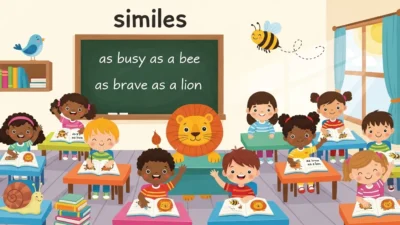
In simple terms, a simile is when you compare two things using the words “like” or “as.” For example, you might say, “The book was like a doorway to another world.” That small comparison makes your writing stronger and clearer.
Some people search for the term “strohl simile.” There is no official literary term called that. Most likely, they want to understand the meaning of similes and how they work in real writing.
Similes make your words come alive. They add color, emotion, and imagination. In creative writing similes, you don’t just tell the reader something — you show it.
So let’s explore 36 powerful similes for books, see examples of similes in context, and learn how to use similes in writing with confidence.
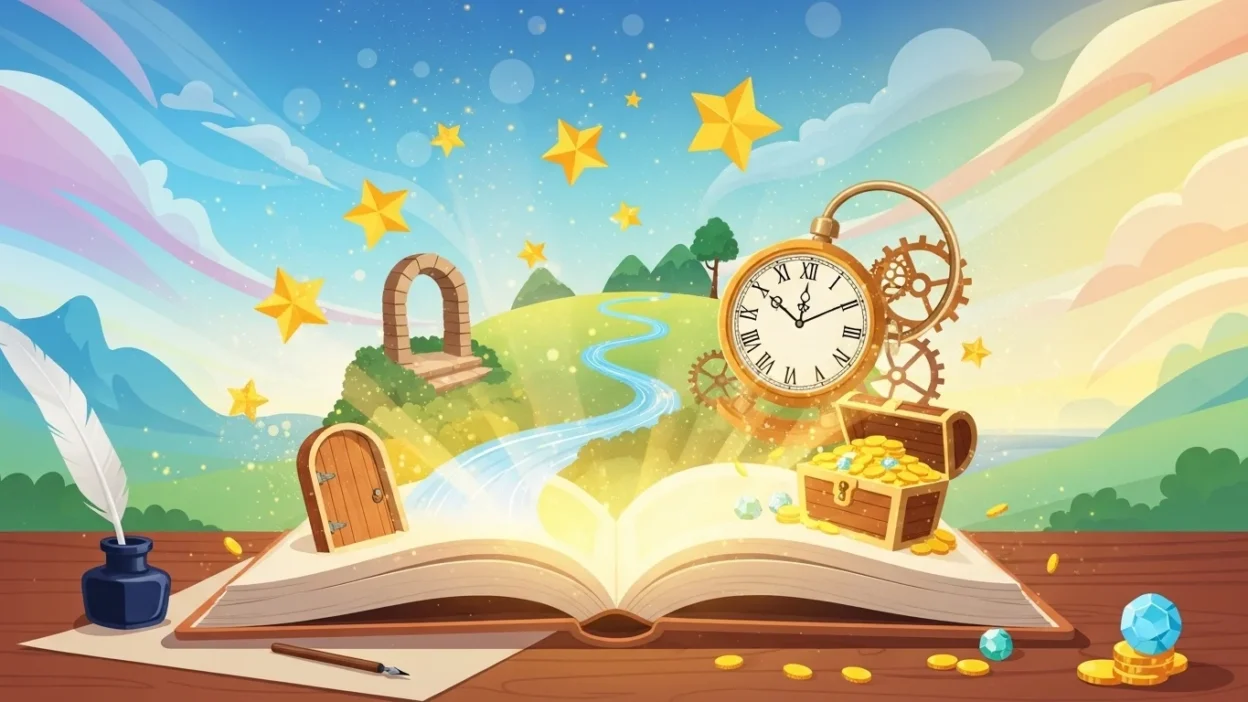
1. The book was like a doorway to another world.
Meaning: The book feels immersive.
Explanation: It takes you somewhere new.
Examples:
- That fantasy novel was like a doorway to another world.
- When I opened the story, it felt like a doorway to another world.
2. The book was as comforting as a warm blanket.
Meaning: It feels safe and cozy.
Explanation: Some books bring peace.
Examples:
- Her poetry book was as comforting as a warm blanket.
- The bedtime story felt as comforting as a warm blanket.
3. The story was like a roller coaster.
Meaning: Full of ups and downs.
Explanation: It is exciting and fast.
Examples:
- The thriller was like a roller coaster.
- That mystery novel felt like a roller coaster ride.
4. The book was as heavy as a brick.
Meaning: Very thick or serious.
Explanation: It may be long or deep.
Examples:
- His history book was as heavy as a brick.
- The law textbook felt as heavy as a brick in my bag.
5. The novel was like a treasure chest.
Meaning: Full of valuable ideas.
Explanation: It holds hidden gems.
Examples:
- The novel was like a treasure chest of wisdom.
- That classic book felt like a treasure chest.
6. The pages were as thin as feathers.
Meaning: Very light pages.
Explanation: Shows delicacy.
Examples:
- The Bible’s pages were as thin as feathers.
- The old book had pages as thin as feathers.
7. The book was like a best friend.
Meaning: Always there for you.
Explanation: You feel connected to it.
Examples:
- That diary felt like a best friend.
- Her favorite novel was like a best friend.
8. The story flowed like a river.
Meaning: Smooth and easy to read.
Explanation: Words move naturally.
Examples:
- The author’s writing flowed like a river.
- The chapters moved like a river.
9. The book was as magical as a dream.
Meaning: Full of wonder.
Explanation: It feels unreal and special.
Examples:
- The fairy tale was as magical as a dream.
- That children’s book felt as magical as a dream.
10. The novel was like a puzzle.
Meaning: Needs thinking.
Explanation: It makes you solve clues.
Examples:
- The mystery novel was like a puzzle.
- Each chapter felt like a puzzle piece.
11. The book was as bright as a light.
Meaning: Full of ideas.
Explanation: It teaches clearly.
Examples:
- The self-help book was as bright as a light.
- That guide felt as bright as a light.
12. The story was like a storm.
Meaning: Intense and powerful.
Explanation: Strong emotions.
Examples:
- The drama novel was like a storm.
- The ending hit like a storm.
13. The book was as sweet as honey.
Meaning: Heartwarming.
Explanation: It feels kind and loving.
Examples:
- The romance novel was as sweet as honey.
- That short story felt as sweet as honey.
14. The novel was like a time machine.
Meaning: Takes you to the past or future.
Explanation: You travel through time.
Examples:
- The historical book was like a time machine.
- That sci-fi novel felt like a time machine.
15. The book was as deep as the ocean.
Meaning: Full of deep meaning.
Explanation: Many layers.
Examples:
- The philosophy book was as deep as the ocean.
- The poem collection felt as deep as the ocean.
16. The story was like a spark.
Meaning: Inspiring.
Explanation: It starts ideas.
Examples:
- The speech book was like a spark.
- That novel felt like a spark of hope.
17. The book was as quiet as a whisper.
Meaning: Soft and calm.
Explanation: Gentle tone.
Examples:
- The bedtime story was as quiet as a whisper.
- The poetry book felt as quiet as a whisper.
18. The novel was like a mirror.
Meaning: Reflects real life.
Explanation: Shows truth.
Examples:
- The social novel was like a mirror of society.
- That story felt like a mirror to my life.
19. The book was as addictive as chocolate.
Meaning: Hard to stop reading.
Explanation: You want more.
Examples:
- The crime novel was as addictive as chocolate.
- That series felt as addictive as chocolate.
20. The story was like a journey.
Meaning: Has growth and change.
Explanation: You travel with the characters.
Examples:
- The adventure book was like a journey.
- That novel felt like a journey through life.
Practical Exercise
Questions
- The book was like a ______ to another world.
- The pages were as thin as ______.
- The novel was as deep as the ______.
- The story flowed like a ______.
- The romance book was as sweet as ______.
- The book was interesting.
- The book was like a mirror.
- The novel was long.
- The story was as magical as a dream.
- The book inspired me deeply.
Answers with Explanation
- Doorway – Shows escape and imagination.
- Feathers – Shows thin pages.
- Ocean – Shows depth.
- River – Shows smooth flow.
- Honey – Shows sweetness.
- Not a simile – No “like” or “as.”
- Simile – Uses “like.”
- Not a simile – Just description.
- Simile – Uses “as.”
- Not a simile – No comparison word.
How to Use Similes in Writing
When you write, ask:
- What does this remind me of?
- Can I compare it using “like” or “as”?
For example, instead of saying “The book was exciting,” you might say, “The book was like a roller coaster.”
That’s how to use similes in writing. You create strong simile sentences that readers remember.
Conclusion
Now you understand the meaning of similes and how they improve your writing. Similes help you compare ideas in a simple but powerful way. They make your examples of similes clearer and more creative.
Books are not just objects. They can be like friends, journeys, or treasure chests. When you use creative writing similes, your words feel alive.
So try it today. Pick a book near you. How would you describe it?
You might say it is as magical as a dream — or like a doorway to another world.
Practice, explore, and enjoy writing