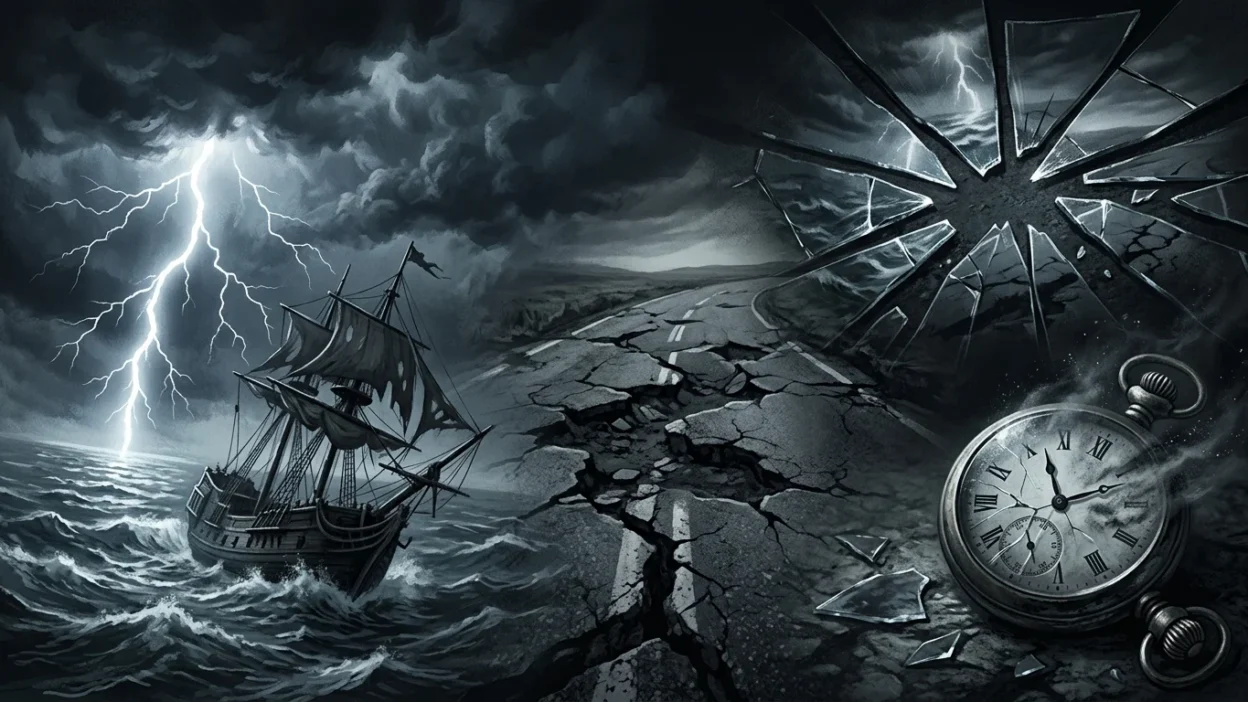
When learning similes for bad, we explore how writers use similes in creative ways to compare two things using like and as in simple speech and writing. This idea helps us vividly picture scenes like a stormy sky, dark as a cave, thunder booming, or cannons in battle. These comparisons make writing more interesting and engaging because they help us explore and express a difficult concept in more imaginative ways through language and figurative language.
From my experience, descriptive writing becomes stronger when we use imagery and the right emotional tone to create negative imagery, a harsh atmosphere, or a gloomy scene. For example, a weather description like a storm, deep darkness, or silent cave builds strong visual language. Words like thunder and battle cannons create strong expression and creativity, especially in storytelling, improving writing skills and communication through a useful literary device and clear comparison of words.
In language learning, using vivid description improves mental image, reader understanding, and better interpretation of meaning and context. It also improves sentence formation, vocabulary, and expressive language through figurative comparison and symbolic meaning. A strong atmosphere, tone, and mood created with dark imagery supports creative expression in narrative writing and descriptive phrases. These linguistic tools help with idea expression, visualization, and encourage imaginative writing and stylistic writing, improving communication skills, writing improvement, descriptive comparison, expressive writing, emotional depth, and reader engagement.
1. As bad as rotten food
Meaning: Something very unpleasant
Explanation: Shows strong dislike or poor quality
- The situation was as bad as rotten food.
- His attitude felt as bad as rotten food.
2. Like a storm with no end
Meaning: Continuous trouble
Explanation: Shows ongoing problems
- The fight was like a storm with no end.
- Her anger was like a storm with no end.
3. As bad as broken glass
Meaning: Dangerous or harmful
Explanation: Shows risk and pain
- The deal was as bad as broken glass.
- His words felt as bad as broken glass.
4. Like dark clouds before rain
Meaning: Negative or depressing mood
Explanation: Shows sadness or tension
- The news was like dark clouds before rain.
- His face looked like dark clouds before rain.
5. As bad as a cracked mirror
Meaning: Damaged or flawed situation
Explanation: Shows imperfection
- The plan was as bad as a cracked mirror.
- The report looked as bad as a cracked mirror.
6. Like a sinking ship
Meaning: Failing situation
Explanation: Shows loss or failure
- The project was like a sinking ship.
- His business felt like a sinking ship.
7. As bad as spoiled milk
Meaning: Something useless or unpleasant
Explanation: Shows waste or decay
- The idea was as bad as spoiled milk.
- The food tasted as bad as spoiled milk.
8. Like a broken machine
Meaning: Not working properly
Explanation: Shows failure or dysfunction
- The system was like a broken machine.
- His plan worked like a broken machine.
9. As bad as a dry desert
Meaning: Empty or lifeless situation
Explanation: Shows lack of energy
- The place felt as bad as a dry desert.
- The meeting was as bad as a dry desert.
10. Like a black storm cloud
Meaning: Dark or negative mood
Explanation: Shows sadness or anger
- His mood was like a black storm cloud.
- The situation turned like a black storm cloud.
11. As bad as burnt toast
Meaning: Small but annoying failure
Explanation: Shows disappointment
- The result was as bad as burnt toast.
- Her attempt was as bad as burnt toast.
12. Like a cracked road
Meaning: Unstable situation
Explanation: Shows risk or danger
- The plan was like a cracked road.
- His life felt like a cracked road.
13. As bad as a leaking roof
Meaning: Ongoing problems
Explanation: Shows continuous issues
- The system was as bad as a leaking roof.
- His excuse was as bad as a leaking roof.
14. Like a fading light
Meaning: Weak or losing hope
Explanation: Shows decline
- The idea was like a fading light.
- His energy was like a fading light.
15. As bad as broken code
Meaning: Not working correctly
Explanation: Shows errors or confusion
- The app was as bad as broken code.
- His logic was as bad as broken code.
16. Like a dusty road
Meaning: Difficult and rough situation
Explanation: Shows hardship
- The journey was like a dusty road.
- Life felt like a dusty road.
17. As bad as empty promises
Meaning: Not trustworthy
Explanation: Shows disappointment
- His words were as bad as empty promises.
- The deal was as bad as empty promises.
18. Like a noisy broken radio
Meaning: Confusing communication
Explanation: Shows lack of clarity
- The explanation was like a noisy broken radio.
- His speech was like a noisy broken radio.
19. As bad as a frozen clock
Meaning: Stopped progress
Explanation: Shows no movement
- The project was as bad as a frozen clock.
- His work felt as bad as a frozen clock.
20. Like a cracked foundation
Meaning: Weak base or support
Explanation: Shows instability
- The plan was like a cracked foundation.
- Their relationship was like a cracked foundation.
Practical Exercise
Questions
- Complete: As bad as ______ food.
- What does “like a sinking ship” mean?
- Fill in: As bad as broken ______.
- Which simile shows instability?
- Complete: Like a black ______ cloud.
- What does “fading light” mean?
- Fill in: As bad as empty ______.
- Which simile shows confusion?
- What does “cracked foundation” mean?
- Write your own simile for “bad.”
Answers With Explanations
- Rotten — something unpleasant
- Failing situation
- Glass — danger or harm
- Cracked road
- Storm
- Losing hope or strength
- Promises
- Noisy broken radio
- Weak or unstable base
- Answers vary (creative thinking)
Conclusion
Learning similes for bad helps you understand how language can describe negative situations in a clear and creative way. These examples of similes show how simple comparisons can improve writing and make ideas more visual. If you practice how to use similes in writing, your skills in storytelling, description, and expression will improve quickly. Try making your own creative writing similes using everyday situations. It’s a simple but powerful way to grow your vocabulary and writing confidence.