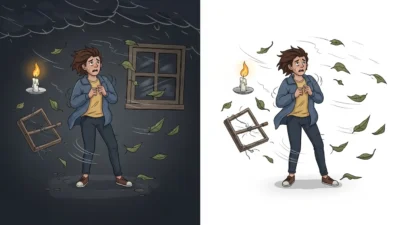
Have you ever felt so happy you could burst? Or so nervous your stomach felt strange? Sometimes, plain words are not enough. That’s where similes help.
In simple terms, a simile compares two things using the words “like” or “as.” It helps readers feel what you feel. For example, instead of saying “I was scared,” you might say, “I was shaking like a leaf.” See the difference? One tells. The other shows.
Many beginners ask about a strohl simile. In creative writing, this usually refers to a strong, vivid simile that clearly paints a picture in the reader’s mind. It is not a technical grammar term, but writers sometimes use it to describe powerful comparisons.
Similes make writing colorful, emotional, and creative. They are common in poems, stories, and even daily speech. Let’s explore some of the best similes for feelings and learn how to use similes in writing with confidence.
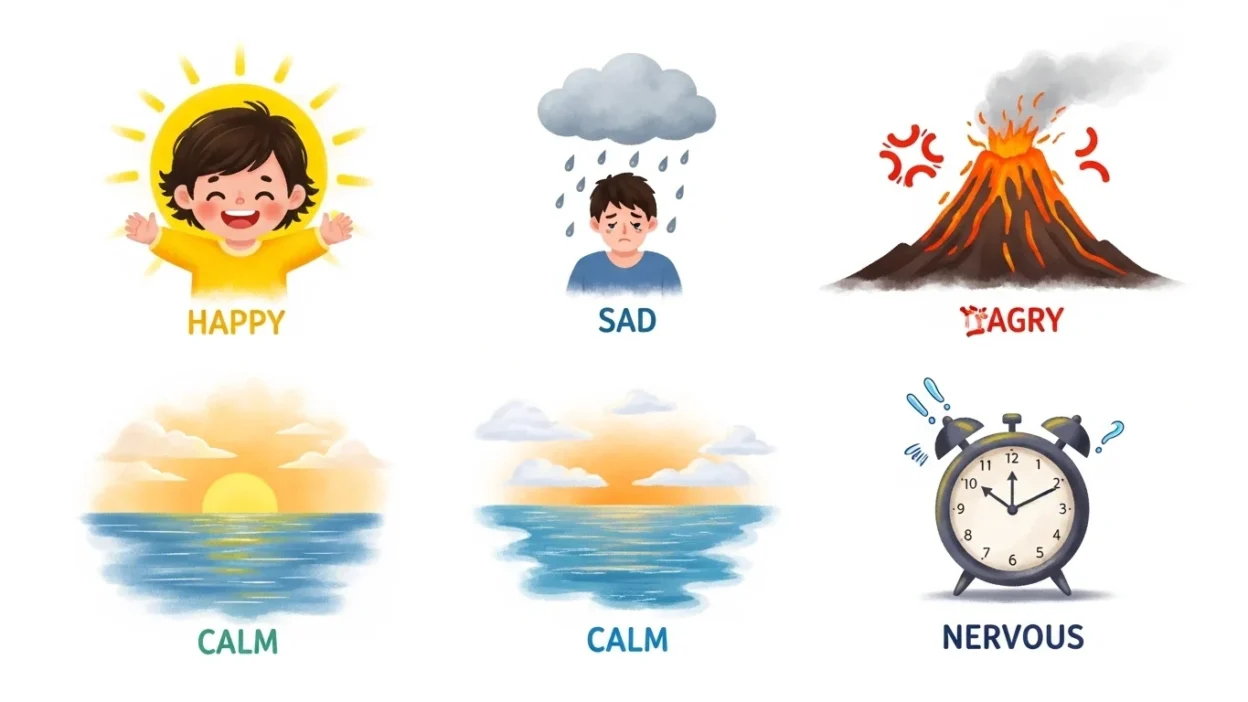
1. Happy like a child on Christmas morning
Meaning: Very excited and joyful.
What it conveys: Pure happiness.
Example 1: She was happy like a child on Christmas morning when she saw the surprise.
Example 2: I felt happy like a child on Christmas morning after hearing the good news.
2. Sad like a rainy day
Meaning: Feeling gloomy.
What it conveys: Quiet sadness.
Example 1: He looked sad like a rainy day.
Example 2: My heart felt sad like a rainy day after she left.
3. Angry like a volcano ready to erupt
Meaning: Very angry.
What it conveys: Strong, explosive anger.
Example 1: She was angry like a volcano ready to erupt.
Example 2: He felt angry like a volcano when he heard the lie.
4. Nervous like a cat in a room full of rocking chairs
Meaning: Extremely anxious.
What it conveys: Fear of danger.
Example 1: I felt nervous like a cat in a room full of rocking chairs before my speech.
Example 2: She stood nervous like a cat waiting for her turn.
5. Calm like the sea at dawn
Meaning: Very peaceful.
What it conveys: Inner quiet.
Example 1: After meditation, he felt calm like the sea at dawn.
Example 2: Her voice was calm like the sea at dawn.
6. Excited like popcorn in a hot pan
Meaning: Full of energy.
What it conveys: Jumping joy.
Example 1: The kids were excited like popcorn in a hot pan.
Example 2: I felt excited like popcorn before the trip.
7. Lonely like a single star in the sky
Meaning: Feeling alone.
What it conveys: Isolation.
Example 1: She felt lonely like a single star in the sky.
Example 2: He sat lonely like a star far away.
8. Proud as a peacock
Meaning: Very proud.
What it conveys: Confidence and joy.
Example 1: She stood proud as a peacock after winning.
Example 2: He felt proud as a peacock on graduation day.
9. Scared like a mouse in front of a lion
Meaning: Extremely frightened.
What it conveys: Helpless fear.
Example 1: I was scared like a mouse in front of a lion.
Example 2: She felt scared like a mouse during the storm.
10. Confused like a lost puppy
Meaning: Not understanding.
What it conveys: Innocent confusion.
Example 1: He looked confused like a lost puppy.
Example 2: I felt confused like a lost puppy in math class.
11. Loved like the sun loves the morning
Meaning: Deeply loved.
What it conveys: Warm affection.
Example 1: She felt loved like the sun loves the morning.
Example 2: The child was loved like the sun hugs the sky.
12. Hopeful like a seed in spring
Meaning: Full of hope.
What it conveys: New beginnings.
Example 1: He felt hopeful like a seed in spring.
Example 2: She waited hopeful like a seed ready to grow.
13. Embarrassed like a tomato
Meaning: Very shy or red-faced.
What it conveys: Awkwardness.
Example 1: I turned embarrassed like a tomato.
Example 2: She stood embarrassed like a tomato in front of the class.
14. Jealous like a cat guarding milk
Meaning: Feeling envy.
What it conveys: Possessiveness.
Example 1: He felt jealous like a cat guarding milk.
Example 2: She looked jealous like a cat near cream.
15. Tired like a runner after a marathon
Meaning: Very exhausted.
What it conveys: Physical and mental fatigue.
Example 1: I was tired like a runner after a marathon.
Example 2: She felt tired like a marathon runner at night.
16. Shocked like a deer in headlights
Meaning: Suddenly surprised.
What it conveys: Frozen surprise.
Example 1: He stood shocked like a deer in headlights.
Example 2: I felt shocked like a deer when I heard the news.
17. Peaceful like a sleeping baby
Meaning: Very calm.
What it conveys: Gentle peace.
Example 1: She looked peaceful like a sleeping baby.
Example 2: The room felt peaceful like a sleeping baby.
18. Heartbroken like shattered glass
Meaning: Deep emotional pain.
What it conveys: Broken feelings.
Example 1: He felt heartbroken like shattered glass.
Example 2: She stood heartbroken like broken glass on the floor.
19. Brave like a lion
Meaning: Very courageous.
What it conveys: Strength and confidence.
Example 1: She was brave like a lion during the test.
Example 2: He felt brave like a lion speaking up.
20. Anxious like a ticking clock
Meaning: Worried and tense.
What it conveys: Pressure.
Example 1: I felt anxious like a ticking clock before results.
Example 2: She waited anxious like a clock counting seconds.
Practical Exercise
Questions
- “He was shaking like a leaf.”
- “She smiled like sunshine after rain.”
- “I felt heavy like a stone.”
- “He stood tall like a mountain.”
- “She waited like a ticking clock.”
- I was nervous like a _______.
- She felt happy like _______.
- He looked lonely like _______.
- I was angry like _______.
- She felt calm like _______.
Answers with Explanation
- Scared or nervous – The simile shows fear.
- Happy – Sunshine after rain means joy.
- Sad – A stone feels heavy, like sadness.
- Confident or brave – A mountain is strong.
- Anxious – A ticking clock shows tension.
- Nervous like a cat in a room full of rocking chairs – Shows anxiety.
- Happy like a child on Christmas morning – Shows excitement.
- Lonely like a single star – Shows isolation.
- Angry like a volcano – Shows explosive anger.
- Calm like the sea at dawn – Shows peace.
How to Create Your Own Similes for Feelings
Here’s a simple trick:
- Pick a feeling.
- Think of something in nature or daily life that acts the same way.
- Connect them with like or as.
For example, if you feel nervous, you might say, “I felt like a balloon about to pop.”
That’s how creative writing similes work!
Conclusion
Similes make writing alive. They help readers see, feel, and imagine emotions clearly. The meaning of similes is simple — compare one thing to another using “like” or “as.” But their power is huge.
Now you know many examples of similes, how to use similes in writing, and how to create your own. Try writing three simile sentences today about your feelings. Practice makes your writing stronger.
The more you explore similes, the more creative your words will become.